|
Today, I am very happy to introduce a fellow author I met through Anaiah Press, Laura Thomas. She writes fiction that sounds fascinating and I hope you enjoy getting to know more about her and her books through this interview! 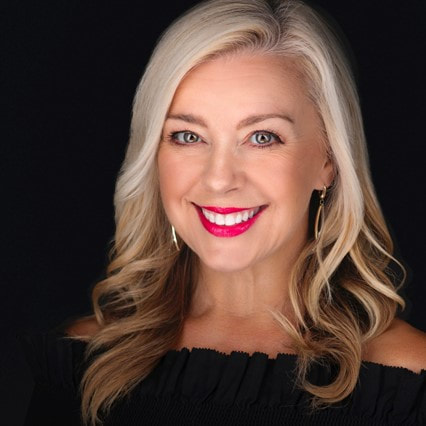 I know you write across several genres and age-groups, but your adult fiction is romantic suspense. What made you choose that genre to write?
Christian romantic suspense was a favorite genre for me as a reader—back in the day I devoured everything by authors such as Colleen Coble, Terri Blackstock, and Dee Henderson. I loved how they blended clean romance with spine-chilling suspense and a message of hope, but at the time I was writing Christian teen fiction and had intended to only write for children and teens. However, as I penned my third Christian teen fiction (Tears, Fears, and Fame), I realized the story was heading in a suspenseful direction with an air of mystery—and I loved it! Then whilst on vacation in Jamaica, I had sudden inspiration for my own Christian romantic suspense story and came home to start writing The Glass Bottom Boat. It seems I found my true love in this genre as that was the first of six published romantic suspense books with more to come!
0 Comments
Feeling mysterious today? Well, we have another mystery author joining us today. Sandra Kay Vosburgh is here, chatting about parts of her life that sneak into her books and why she loves mysteries. She's offering her first two books to a lucky reader, so be sure to leave a comment at the end! 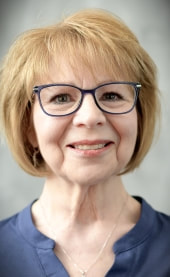 What first led you to want to write mysteries? Why that genre?
I was introduced to Agatha Christie when I found my mother’s copy of Halloween Party. I love the mental challenge a mystery presents, and Christie’s plotting was so complex, I rarely picked the right suspect. I attribute my suspicious nature to her. Does your life as a pastor's wife incorporate itself into any of your writings? Working in women’s ministry had a great impact on my current novel, which is a women’s contemporary with a bit of mystery. The theme is the effect of negative fathering on the soul of a little girl—how a father’s failure to affirm and value his daughter impacts her adulthood. I’ve seen women well into their later years weep when they spoke of their father’s absence or indifference. This moved me to write The Girl in Her. 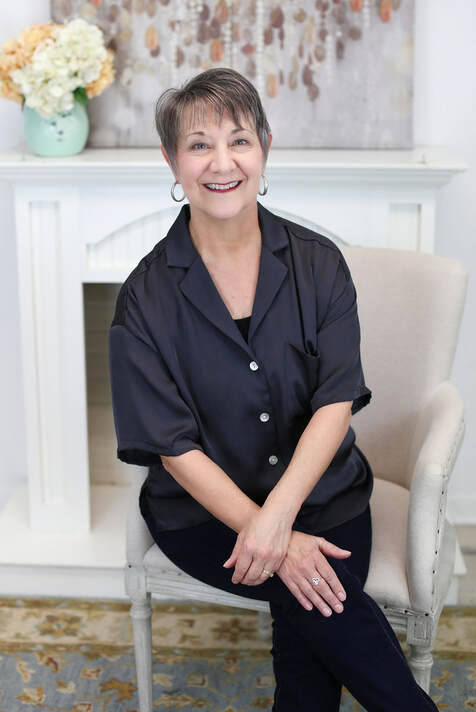 Mary Pat Johns is here to chat with us today. She has a newly released romance out and I'm thrilled to be able to interview her and find out more. She's a fellow Scrivenings author and has been fun to get to know over the last few years. I think you'll enjoy getting to know her too. You say your first story ever started (not finished) was about sea turtles. Do you plan to ever include a sea turtle in one of your future stories?
Actually, in Countin’ On Jesse, the first book in my series, Brenna spies a sea turtle swimming alongside the breakwater. Jesse has convinced Brenna they need a getaway because of all that’s happening at work, but it’s not supposed to be a date because of an ironclad no-dating- between-employees rule. The sea turtle scene might be a tad autobiographical since Port Aransas is a place my husband and I go for a quick getaway. It’s not unusual to see sea turtles swimming around the jetties. Once, my husband even rescued one snared in the rocks. What draws you to write Christian romance? Love stories are my favorite. Although I do read secular novels at times, I’m mainly drawn to Christian romance because of the character’s spiritual arc as well as the love story. Without the presence of the Holy Spirit breathing through the pages, the words seem empty. There’s just so much more vibrancy when Christ is an integral part of the story. 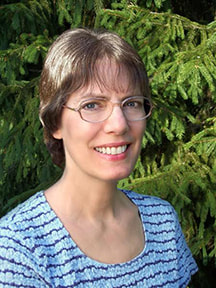 I enjoy introducing new authors each and every month, but I'm very excited to share this one with you. I was blessed to be the content editor for her new book, and you're definitely going to want to check it out. In the meantime, settle in to learn a bit more about author Terri Wangard. Congratulations on your new release. As the content editor, I have to say, I really enjoyed it. What encouraged you to set a WWII novel in Brazil?
I like the unusual. Many WWII books are set in Europe and involve the Gestapo and German cruelty. That was a big part of the war, but there’s so much more. What makes you choose to write about historical times over other genres? I enjoy history. I have a BA in history (and a Master of Library Science degree). My first book was inspired by letters written by distant relatives in the immediate post-WWII years. My grandparents sent them care packages in Germany. After that, I started a contemporary story, but an editor told me I’d probably need a series to be offered a contract. I had plenty of unused research, so I kept going. 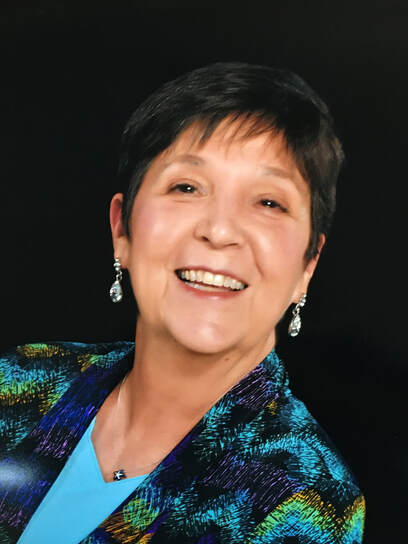 I met Ellen Withers several years ago, though not in person. That happened November before last. Then, I was blessed to be one of her content editors. And I've been able to see her again since then. And y'all, she's so fun. She's a sister Scrivenings Press author and now a dear friend. I'm thrilled to have her for my author interview this month because I know you're going to love her too. Be sure to read all the way to the bottom for information about her new book! Ellen, most of your stories are done in split-time, where part is set in present day and part in the past. Which is harder for you to write? Why?
It’s harder to write the historical portions. You have to do a lot of research. Clothing, shoes, transportation, and speech/dialogue are all different from current times. Sometimes I have to research whether a word I want to use even existed at the time. I enjoy the historical work because we can learn so much from history. Some of the trials and tribulations in history still apply to our problems and feelings today. As you've done research for your stories, what's something fun you've discovered that you never expected to learn? Two things uncovered in research were unexpected. The Union Army occupied Mexico, Missouri for the entire duration of the Civil War because the railroad lines that ran through town were critical to hold the entire upper half of the state of Missouri for their cause. Because Missouri was a border state, almost divided equally between Southern sympathizers and Union loyalists, nearly half of the state resented the Union presence. Ulysses Grant was in town for about 6 weeks in 1861 as a Colonel. When he arrived, he put a stop to the Union soldiers stealing from local farmers and making citizens declare their loyalty to the union at gunpoint. The locals, leaning both Union and Southern, adored him because of instituting those two changes. In a historical part of Show Me Deceit, a main character goes on an errand to the root cellar and gets frightened by a snake skin (not a live snake). In my research, I discovered live snakes were often found in root cellars in the summer. In the winter and spring, they would find snake skin that would scare them into thinking the snakes were still there. I wanted that scare to happen to my main character. It showed her character and enriched the story. I think we forget how lucky we are to live in a time with modern conveniences. 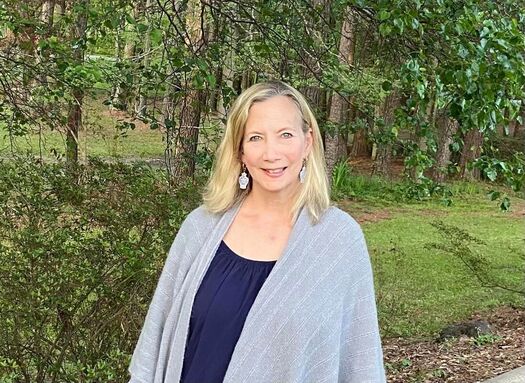 I discovered Janet Ferguson's books years ago and have followed her for several years since. She writes beautiful stories of love and hope, set in gorgeous places. If you haven't checked her out before now, you can try out one of her stories for free. Grab The Art of Rivers as her gift along with her newsletter. Here's the link https://dl.bookfunnel.com/yt91p8u5qo And be sure to check out this fun interview to learn more about Janet and her stories. Janet, I've read most of your stories, and they're gorgeous. Where do you come up with your ideas?
Thank you so much for the kind words. I know without God, there’s no way I could write a novel. To Him be the glory. My ideas usually just drop in on my mind. Again, I believe it’s a God thing. Someone might say something, or I’m in a certain setting (like the beach), and an idea pops up. I know you have stories set in Mississippi where you're from, but also Georgia (loved visiting St. Simon's again through your book), and now Wyoming. How do you choose the best place to set a story? Other than the first series that was set in Oxford, Mississippi, which I have been to many times, I was actually in the setting when the ideas came. I love to travel. I see God so clearly in nature away from my everyday busy life. In that quiet, the ideas have room to grow. 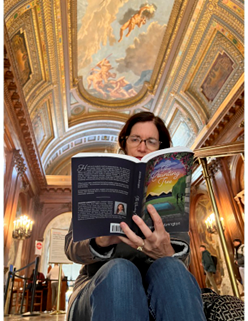 Can you imagine turning what could be deemed a tragedy into something good? Guest author Jennifer Arrington did just that, and I am in awe of her ability to take a bad thing and turn it to good. You're going to love this interview! You grew up in South Africa, but now live here in the USA. What are some of the things you miss from being over there?
I miss the windows-open lifestyle! In Johannesburg, South Africa, we didn't have extreme temperatures like August in Florida or February in Minnesota, so our windows were open most of the year. When I went to college in the US, I was constantly in trouble for opening my 7th-story dorm window! My favorite time of year in Florida is what I call "windows-open weather." I also miss what I perceive was a simpler lifestyle. I'm unsure if this still applies since I was 18 when I left, but birthdays, Christmas decorations, house décor, table settings, weddings, outfits, even make-up – it was all minimalist. Someone living in South Africa will have to chime in and tell me if things are still like this. It seems so based on my friends' Facebook posts, but I may simply have minimalist friends. What do you hope readers learn about South Africa from your book? I want readers to experience the country's beauty – that's why there are descriptions of God's Window, the drive down Van Reenen's Pass, and the South Coast beaches. My good friend Gillian (if you've read The Counting Tree, you've met her namesake!) recently sent me pictures of their travels along the Garden Route, the coastal drive that includes Knysna, Plettenberg Bay, and the Storms River. The images call to me, and I need to return and experience it all again. Conversely, I want readers to know the history of apartheid and how it stained the beautiful landscape with an evil perpetrated against millions of people. It's surprising to me when I encounter young people who don't know this history. 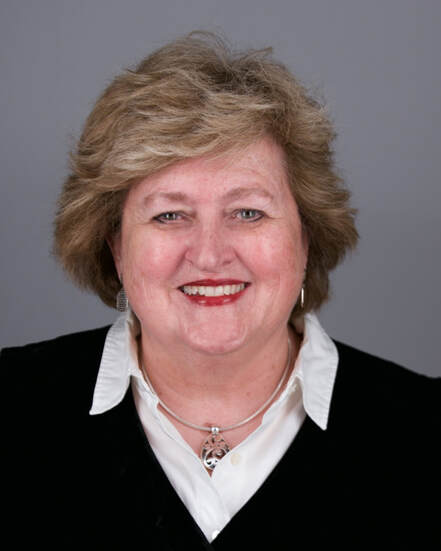 Okay, ya'll, I don't read many mysteries, but I do love me some mystery authors. Especially this one. Deborah (or Debbie, as I call her) Sprinkle is on of my Scrivenings Press family, and she's so fun to hang out with. I think you're going to love getting to know her more today too. What made you choose to write mysteries? Do you have a specific type of mystery you prefer over another?
I grew up reading English mysteries. My mom loved them and so that’s what I read too. Agatha Christie, Dorothy L. Sayers, Margery Allingham and Ngaio Marsh who were collectively called the Queens of Crime. As I got older, I branched out to other authors, but I still gravitate to British mysteries. I don’t care much for what’s called hard boiled or noir. They contain too many graphic details and bad language for me. I like the ones that take some brain power—that aren’t so easy to figure out. Are any of your characters based off of real people in your life? There are a few who I have written with a certain person in mind, but I don’t make the character exactly like he or she. I take characteristics from this one or that one and mix them together to make an interesting character. I have one character I based off one of my favorite TV detectives. You’ll have to read my books to see if you can guess which one it is. Today, I'm introducing you to one of my publishing family. Debbi Migit has some really neat stories to tell, and I think you're going to enjoy getting to know her. Make sure you read all the way to the end to learn more about her newest book, releasing this month. 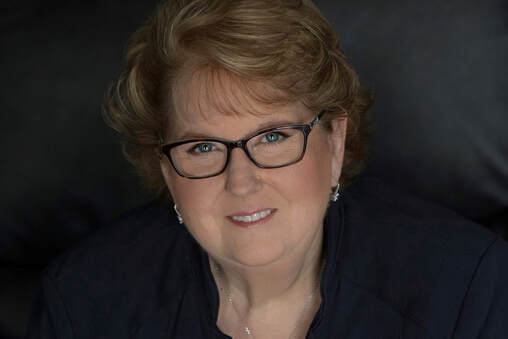 Debbi, congrats on the release of the third book in your series. What made you start writing mysteries?
I wrote my first mystery in 7th grade. Every day I sat by the window in math class staring at an abandoned house across the railroad tracks. I wrote a story about thieves using the house as a base to move stolen merchandise. They placed an old flower pot on the right side of the front porch and when they had items to sell, they moved the pot to the left to alert their buyers. Hopefully, my plotting has improved since then! I know you live in Illinois, so why did you choose to set your series in Montana? I wanted to write a contemporary story set near an abandoned gold rush town. When I discovered Bannack. Montana, I knew I was home. Dillon, Montana is a real town about thirty minutes down the mountain from Bannack. I anchored the fictional town of Justice between those two places. The more I learn about Montana the more I would love to live there. I’ve always been a cowgirl at heart and mountains are my happy place. I’m hoping to visit the area soon, for research, of course 😊 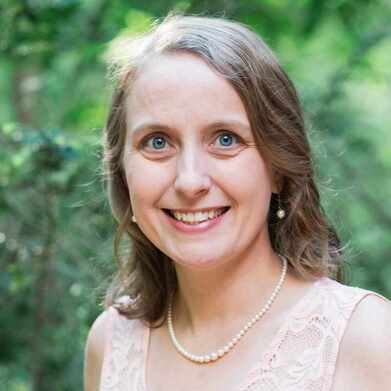 Can you imagine wearing a corset? Which side of history do you think you'd land on? Author Heather Wood is here with us today, chatting about these things and more. Her books sound so good, so be sure to read all the way to the bottom to find out more! Heather, you weave your love of history into your beautiful Christian stories. What is it about history that draws you to it?
I love history because I love sociology and learning about where the ideas and customs of our culture came from. Everything had an origin, from the ways we think about ourselves to the ways our cities are laid out to the words we use. Who started it? Did they know that the choices they made would be an influential part of culture a hundred or four hundred years later? Another reason is because the complexity of human history helps me to appreciate the complexity of our own times better. People 180 years ago were as concerned about the direction of their culture as we are, and oftentimes two now-revered leaders "back then" had opposing ideas and good people followed each of them. Those kinds of things bring me perspective and comfort in navigating the era where God has placed me. Your stories are all woven into one family saga, right? How hard was it for you to keep track of all the characters and plotlines after writing several books? Yes, I have one published series, and it's all about one family and their friends. There were times when I was plotting the later books when I realized something I'd said in a previous book had written me into a hole, or the situations I wanted to write for my characters were going to be impossible. It actually made my writing more creative and my plots less expected. Since I now had a puzzle to figure out to get the timelines to line up just so or have a character at a place I hadn't planned, I was able to take the stories directions that even I hadn't seen coming. |
This is a place for me to tell you about what I'm writing, talk about the process or where some of my ideas came from, or even have other authors come in and talk about their books.
Categories
All
Authors I Love to Read (in no particular order)
Archives
July 2024
|
 RSS Feed
